
DIY Pressure Washing: What You Need to Know Before Getting Started


Getting Started with DIY Pressure Washing
Pressure washing is an effective way to clean surfaces and restore them to their original state. Whether it’s your driveway, deck, or siding, a pressure washer can make a significant difference. However, before you dive into this DIY project, there are essential things you need to know.
Understanding Pressure Washers
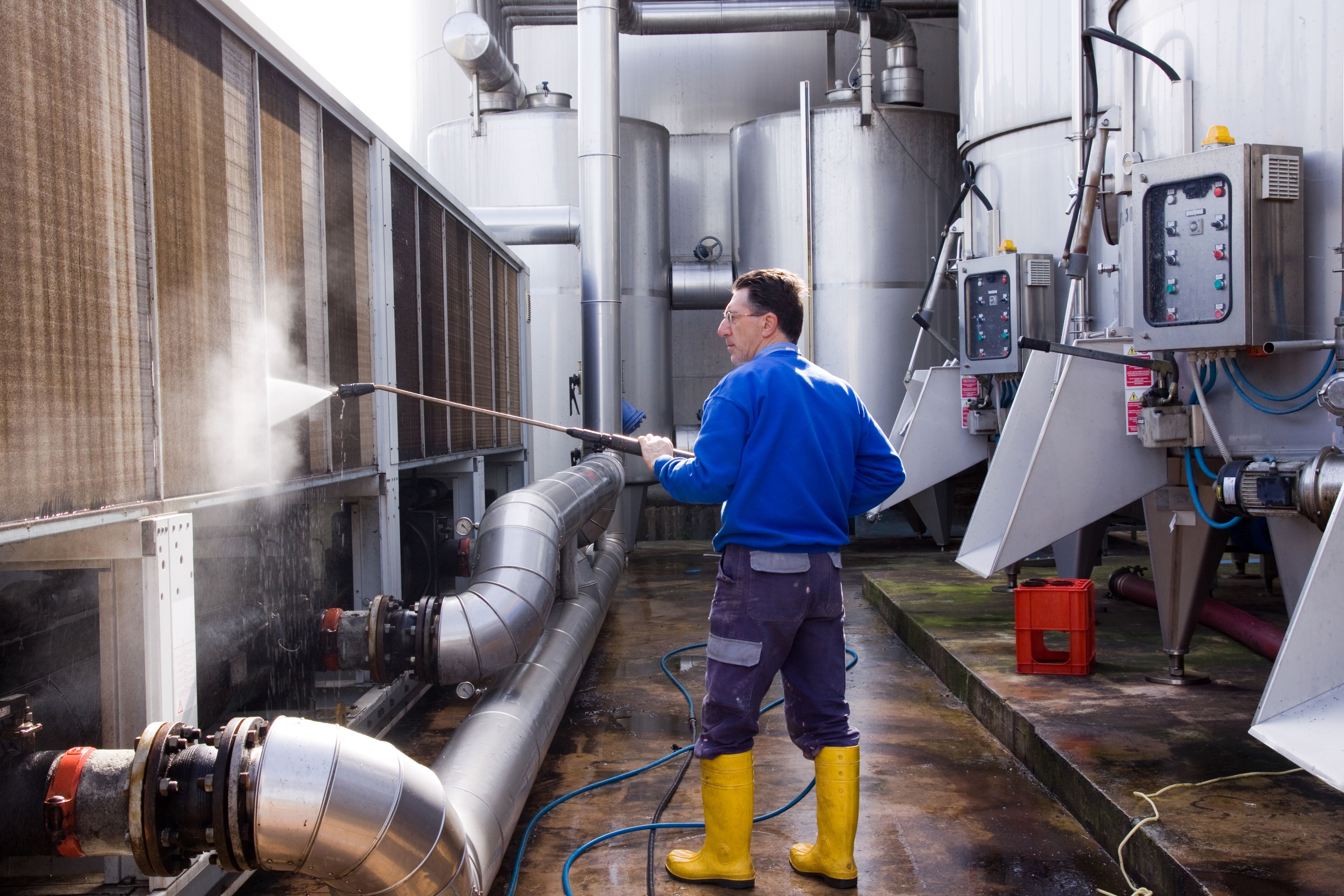
Pressure washers come in various types and sizes. The two primary types are electric and gas-powered. Electric pressure washers are ideal for lighter tasks, while gas-powered washers are better suited for heavy-duty cleaning. It’s crucial to choose the right one based on your specific needs.
Additionally, understanding PSI (pounds per square inch) and GPM (gallons per minute) is vital. PSI measures the pressure, and GPM measures the water flow. A higher PSI and GPM mean more cleaning power.
Essential Safety Tips
Before using a pressure washer, familiarize yourself with safety precautions. Always wear protective gear such as gloves and goggles. Be cautious of the high-pressure water, as it can cause injuries. Keep children and pets at a safe distance while operating the machine.
Preparing the Area
Preparation is key to effective pressure washing. Start by removing any obstacles and covering delicate plants or objects with a tarp. Ensure all windows and doors are securely closed to prevent water from entering your home.
Check the area for any loose items or debris that could become projectiles when hit by high-pressure water. This step will ensure a smoother and safer cleaning process.
Using the Pressure Washer
Once everything is set, it's time to start cleaning. Begin by testing the pressure washer on a small, inconspicuous area to ensure the pressure is suitable and won’t damage the surface. Always maintain a consistent distance from the surface while cleaning.
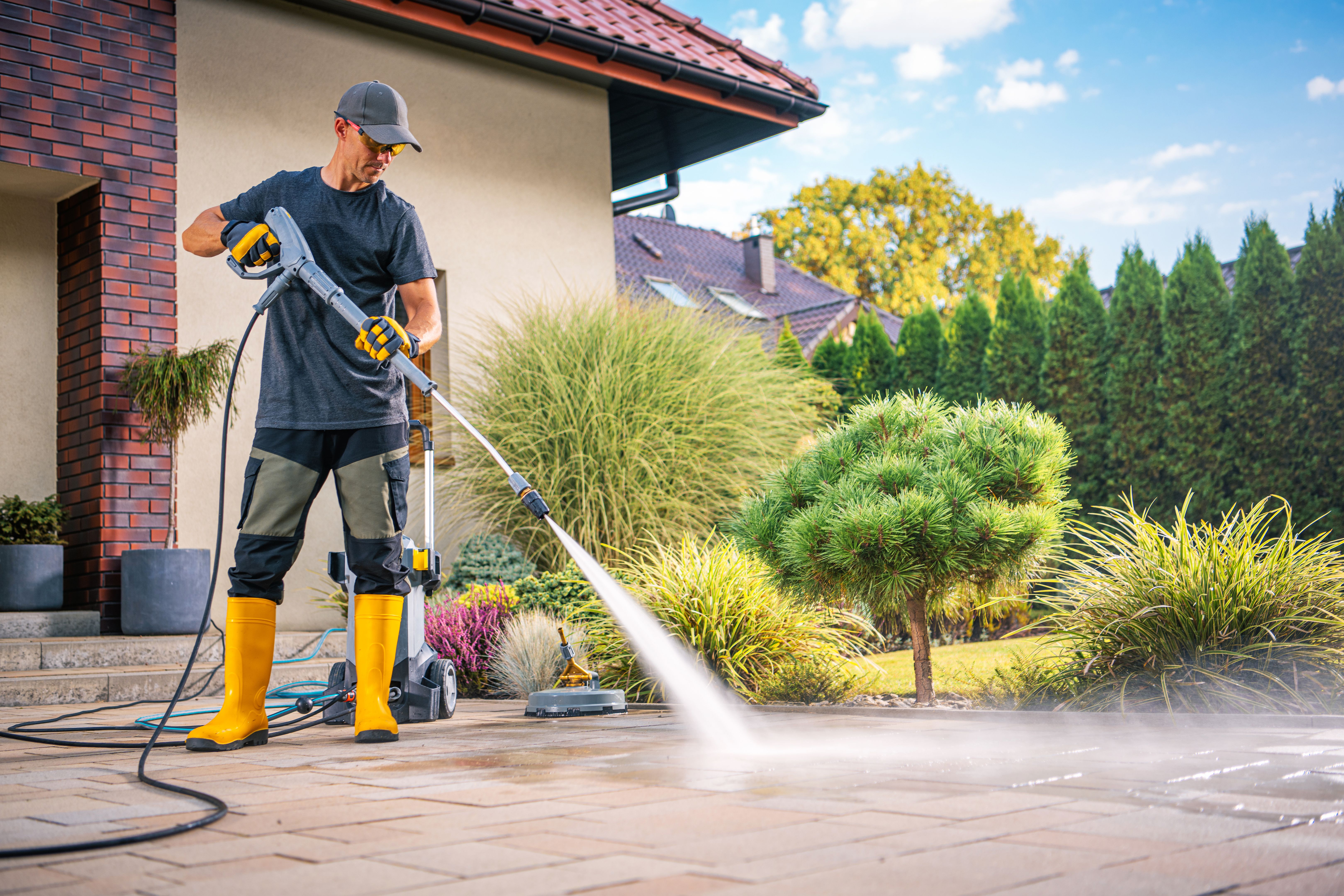
Use the appropriate nozzle for the task. Most pressure washers come with different nozzles, such as 0-degree for tough stains and 40-degree for gentle cleaning. Switching nozzles according to the surface and dirt level will optimize your results.
Maintenance and Storage
After finishing the cleaning, it’s essential to take care of your pressure washer. Drain any remaining water and clean the nozzles. For gas-powered washers, make sure to check the oil and fuel levels regularly.
Proper storage is crucial to extend the lifespan of your equipment. Store the pressure washer in a dry place, away from extreme temperatures.
Conclusion
DIY pressure washing can be a rewarding and effective way to maintain your home’s exterior. By understanding the equipment, following safety precautions, and preparing adequately, you can achieve professional-looking results. Remember, practice makes perfect, and with time, you’ll master the art of pressure washing.